How Water Intrusion Damages Foundations and Basements
To prevent water intrusion from damaging foundations and basements, local contractors specializing in waterproofing can assess issues and provide effective solutions.
Understanding how water intrusion damages foundations and basements is essential for property owners seeking to protect their investments. Water seepage can lead to structural issues, including cracks in the foundation, weakened walls, and even basement flooding. These problems not only threaten the stability of a building but can also result in costly repairs and compromised safety. Exploring this topic helps homeowners recognize early warning signs and take proactive steps to safeguard their property, making it a practical concern for those in areas prone to heavy rainfall or high groundwater levels.
Thankfully, local contractors who specialize in basement and foundation waterproofing offer effective solutions to prevent water intrusion from causing long-term damage. From drainage improvements to sealing cracks and installing protective barriers, these service providers can help address the root causes of water-related issues. Learning about how water intrusion impacts foundations and basements empowers property owners to make informed decisions and connect with experienced professionals who can implement the right measures to keep their homes dry and secure.
- Basement waterproofing - homeowners noticing dampness or water stains may need this service, which local contractors approach with sealing and drainage solutions.
- Foundation waterproofing - when cracks or shifting are present, local service providers often install barriers to prevent water from penetrating the foundation.
- Basement sealing - in cases of persistent moisture, local pros use sealing techniques to block water entry and protect basement integrity.
- Drainage system installation - areas prone to heavy rainfall may require drainage solutions, with local contractors designing systems to direct water away from foundations.
- Waterproofing membrane application - for vulnerable basement walls, local service providers often apply membranes to prevent water intrusion and reduce damage risks.
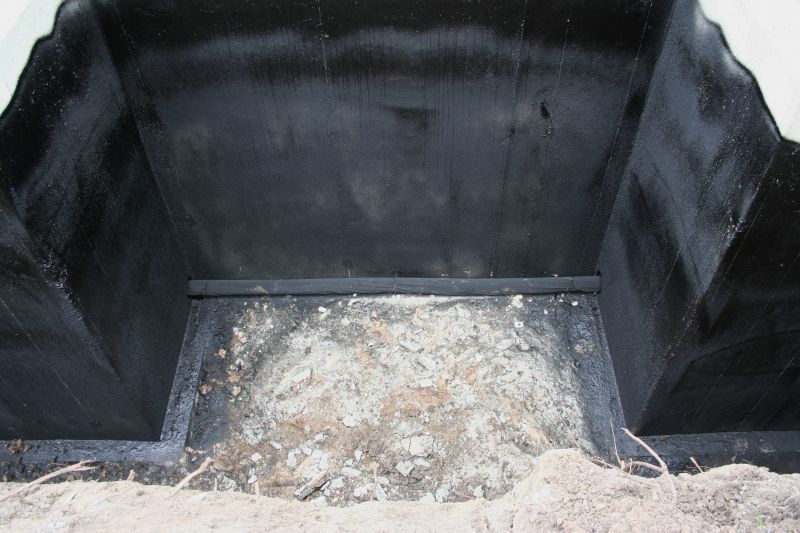
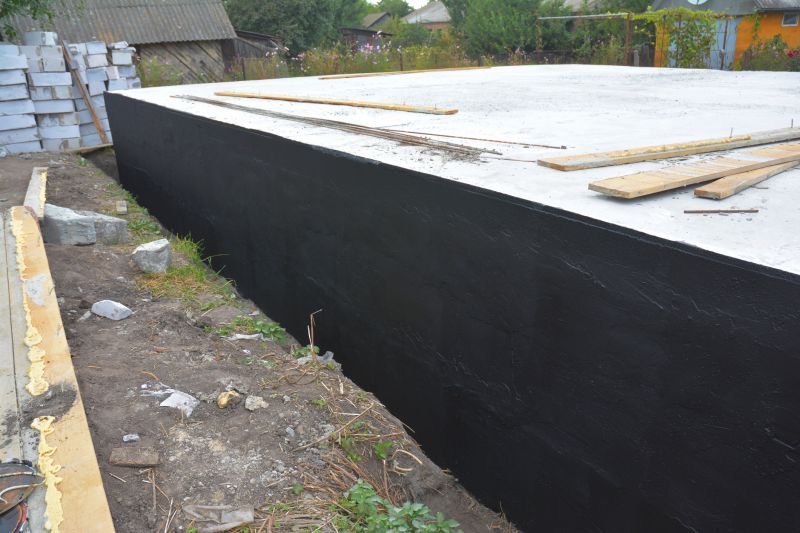
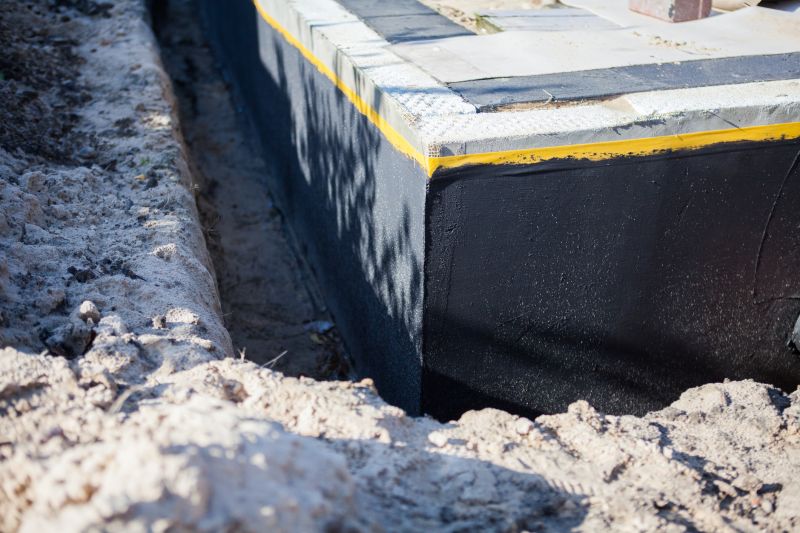
When homeowners search for information about how water intrusion damages foundations and basements, they are often trying to understand why moisture problems occur and what impacts they can have on their property. This topic typically relates to issues like persistent dampness, water leaks, or flooding that can compromise the structural integrity of a home’s foundation or basement. People may also be exploring preventative measures or repair options after noticing signs such as cracks, mold growth, or musty odors. Understanding how water moves and causes damage is essential for planning effective waterproofing solutions that protect the home’s long-term stability.
Water intrusion can lead to a range of serious problems within foundations and basements. When water seeps into these areas, it can weaken concrete and masonry, causing cracks and shifting that compromise the structure’s strength. Excess moisture can also promote mold growth and wood rot, which can deteriorate framing and flooring. Over time, standing water or continuous dampness may lead to basement flooding, increased humidity, and even foundation settlement. Recognizing how water intrusion damages these parts of a property helps homeowners identify the need for effective waterproofing measures, often requiring the expertise of local contractors specializing in foundation and basement waterproofing.
The types of properties most affected by water intrusion damage include older homes with less advanced drainage systems, homes built on slopes or in areas with high water tables, and properties lacking proper exterior or interior waterproofing. Basements are particularly vulnerable because they are below ground level and directly exposed to groundwater and surface runoff. Residential properties, especially those with finished basements or crawl spaces, often face ongoing challenges related to moisture intrusion. Commercial buildings and multifamily residences can also experience similar issues, making it crucial to work with experienced service providers who understand the specific needs of each property type.
Local basement and foundation waterproofing service providers play a vital role in addressing water intrusion damage. These professionals assess the property’s vulnerability, identify sources of moisture entry, and recommend suitable solutions such as sump pumps, exterior drainage systems, or sealing techniques. Proper waterproofing not only stops existing water problems but also helps prevent future damage, preserving the foundation’s stability and the basement’s usability. For homeowners facing water intrusion concerns, connecting with experienced local contractors ensures that the right techniques are applied to protect the property’s structure and maintain a dry, healthy living environment.
Foundation Repair Projects - these projects involve addressing structural issues caused by water damage, requiring skills in assessing water intrusion impacts and implementing effective waterproofing solutions.
Basement Waterproofing Services - specialists in preventing water entry into basements, these projects focus on sealing and drainage techniques to protect foundations from water-related deterioration.
Drainage System Installations - installing proper drainage around properties helps manage water flow, reducing water intrusion risks that can damage foundations and basements.
Moisture Barrier Applications - applying vapor barriers and sealants is essential in controlling moisture levels, which is critical in preventing water damage to foundational structures.
Exterior Waterproofing Projects - these involve excavating and sealing foundation exteriors to create a barrier against water penetration, directly addressing water intrusion issues.
Structural Reinforcement Projects - reinforcing compromised foundations due to water damage requires planning and skills similar to waterproofing, ensuring stability and longevity of the structure.
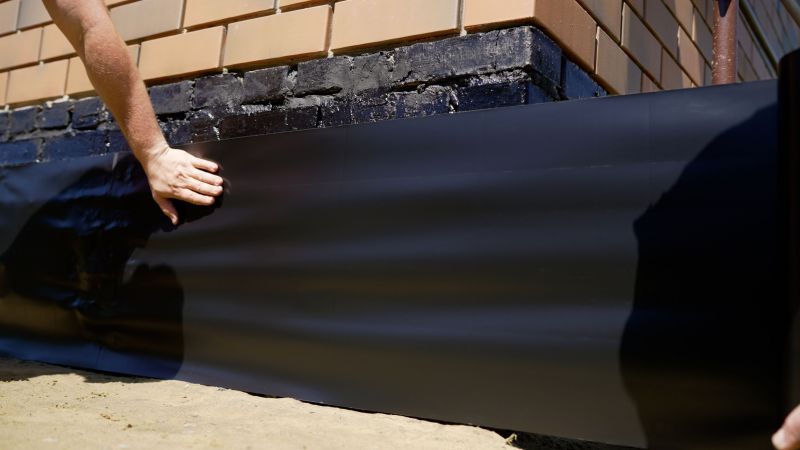
When comparing local contractors for basement and foundation waterproofing, it is important to assess their experience with similar projects involving water intrusion damage. An experienced service provider will have a history of addressing issues like persistent seepage, foundation cracks, or basement flooding, providing insight into effective solutions tailored to specific conditions. Homeowners should inquire about the types of projects the contractor has handled and seek evidence of their familiarity with the unique challenges posed by water intrusion in basements and foundations, ensuring that the chosen professional understands how water damage can compromise structural integrity over time.
Clear written expectations are essential when evaluating potential service providers. A reputable local contractor should be able to explain the scope of work, the methods they plan to use, and what the homeowner can expect in terms of results. This clarity helps prevent misunderstandings and ensures that everyone is aligned on project goals. Homeowners are encouraged to ask for detailed descriptions of the waterproofing process, including any necessary repairs, preventative measures, and follow-up steps, so that expectations are transparent from the outset.
Reputable references and effective communication are key indicators of a trustworthy contractor. Homeowners should seek testimonials or references from previous clients who experienced similar water intrusion issues. This feedback can provide valuable insights into the contractor’s reliability, quality of work, and how well they communicate throughout the project. Good communication from the service provider also involves timely responses to questions and clear updates on progress, which helps build confidence that the contractor understands the importance of addressing how water intrusion damages foundations and basements effectively and professionally.
Property owners often search for how water intrusion damages foundations and basements when they are planning practical projects around their homes and businesses. Local pros provide Basement and Foundation Waterproofing services for everyday jobs and straightforward project options.
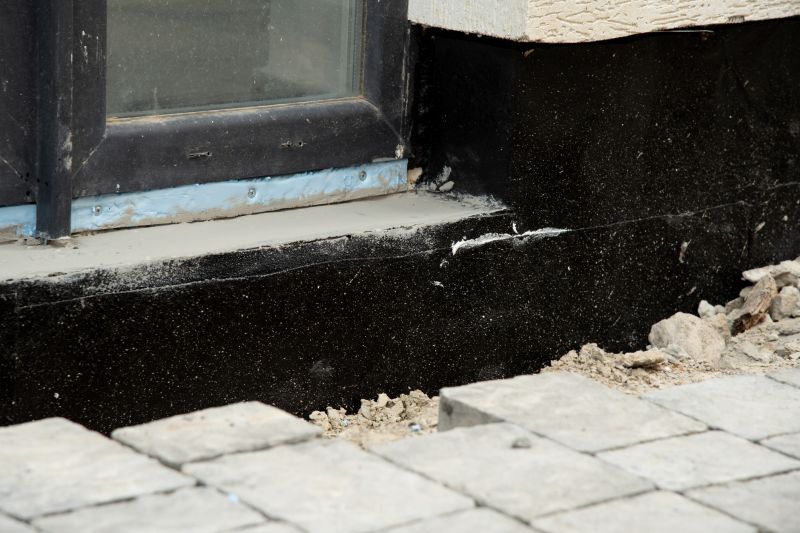
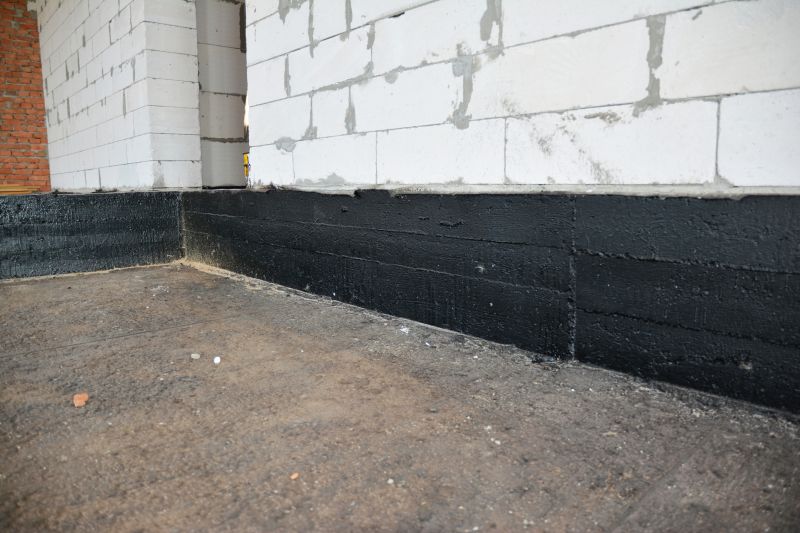
Water intrusion can significantly impact the structural integrity of foundations and basements, especially during heavy rains or rapid snowmelt. Property owners in the area often notice signs such as damp walls, musty odors, or even small leaks appearing inside the basement. These issues are common reasons why homeowners seek out basement and foundation waterproofing services, as local contractors can help identify vulnerable areas and implement solutions to prevent further damage.
Understanding how water intrusion damages a property underscores the importance of professional waterproofing. Local service providers can assess the specific conditions of a home’s foundation, offering tailored strategies to keep water out and protect the basement from issues like mold growth, cracking, or settling. For many property owners, connecting with experienced contractors ensures that their homes remain dry and structurally sound, especially in areas prone to heavy rainfall or fluctuating groundwater levels.
How does water intrusion damage foundations and basements? Water intrusion can weaken foundation walls, cause cracking, and lead to settlement issues. In basements, it can result in mold growth, structural deterioration, and compromised stability. Local contractors can assess and address these issues to protect the property.
What are common signs of water damage in foundations and basements? Signs include damp or wet walls, efflorescence (white salt deposits), mold growth, musty odors, and visible cracks or water stains. Recognizing these early can help in preventing further damage with professional waterproofing services.
How do water intrusion issues affect the long-term stability of a building? Persistent water intrusion can weaken foundation materials over time, increasing the risk of settling, shifting, or even structural failure. Waterproofing by experienced service providers helps maintain the integrity of the foundation and basement.
What methods do local contractors use to prevent water intrusion? They often install waterproof membranes, sump pumps, drainage systems, and seal cracks to prevent water from entering the foundation and basement areas. Proper drainage and waterproofing solutions are essential for long-term protection.
Why is waterproofing important for preventing water-related foundation and basement damage? Waterproofing helps keep water out, reducing the risk of structural deterioration, mold growth, and other moisture-related issues. Engaging experienced service providers ensures effective solutions tailored to the property's needs.
Identify water entry points - inspecting foundations and basements helps property owners locate cracks or leaks where water may intrude, allowing local contractors to recommend targeted waterproofing solutions.
Implement drainage improvements - installing proper gutters, downspouts, and grading can reduce water accumulation around the property, preventing water intrusion that damages foundations and basements.
Apply waterproof coatings - sealing foundation walls with waterproofing products can create a barrier against water penetration, helping to protect the structure from water-related damage.
Schedule regular inspections - routine evaluations by local service providers can catch early signs of water intrusion, enabling timely repairs to prevent extensive damage to foundations and basements.
If you are thinking about how water intrusion damages foundations and basements for a property, this guide is meant to help you understand this topic, the typical project types, and how different options might fit your plans.
When you are ready, you can use the quote form on this page to share a few details about your project. From there, local pros can review the basics and follow up with options that match what you have in mind.